CONSIDERED EQUIPMENT
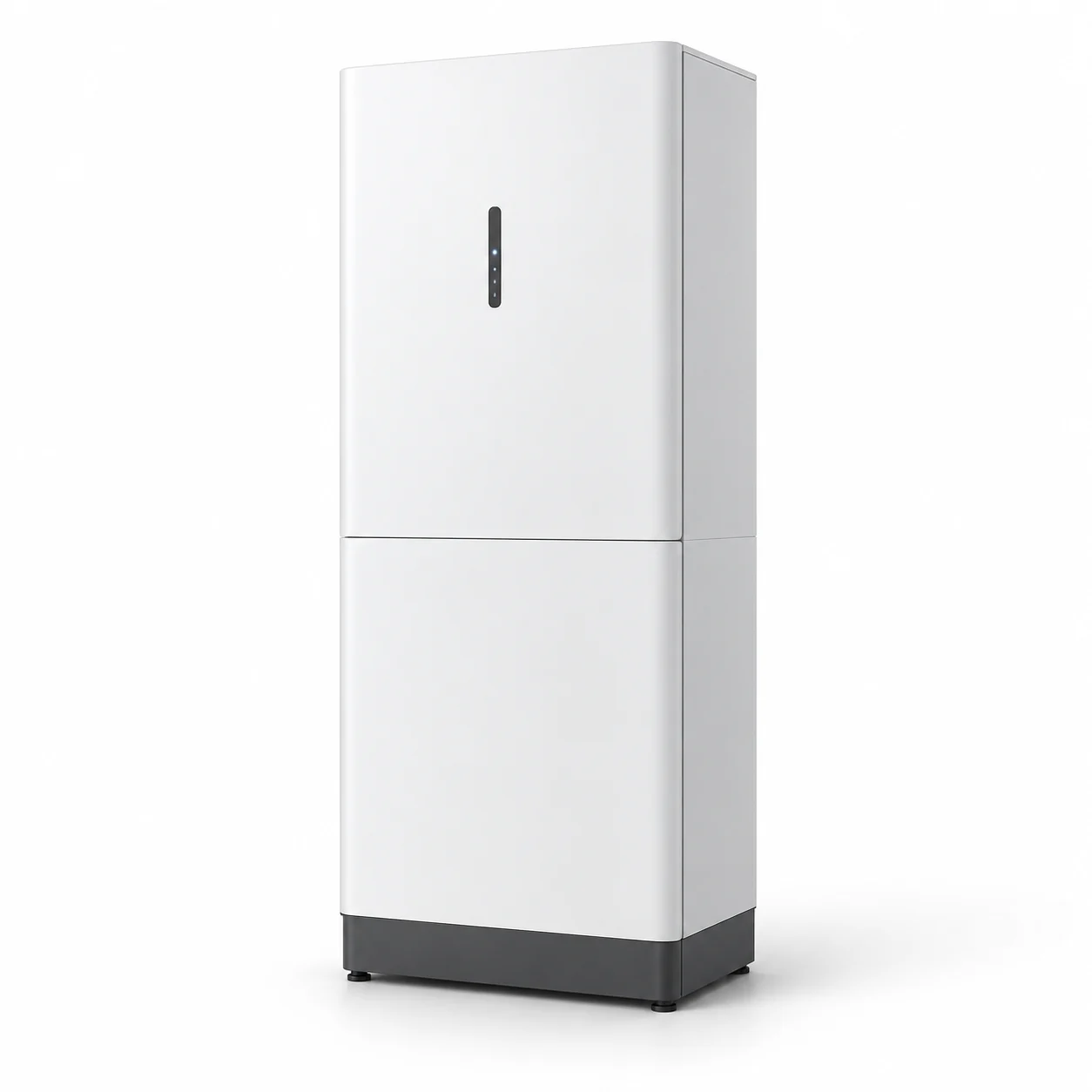
AlderStore 10
A freestanding storage concept for a small commercial site, considered alongside its demand pattern and service arrangements.
- Space planned around the equipment
- Operator responsibilities made clear
- Care considered from the start
Illustrative guide price £2,695
Discuss this equipmentA CLEAR SPECIFICATION
Connect the equipment with the plan.
A useful specification records the intended role, the operating assumptions and the wider system around the product. These values are fictional demonstration content.
- Nominal capacity
- 10 kWh
- Format
- Freestanding
- Housing
- Service cabinet
- Application
- Small commercial site
- Illustrative size
- 1100 × 600 × 220 mm
- Illustrative weight
- 112 kg

A clearer route from the first question.
Explore our approachUSEFUL ANSWERS
A clearer next question.
Equipment needs a site-specific brief and the appropriate specialist assessment. This catalogue does not offer checkout or real products.
1.Where should an energy project start?
Start with the place, the people and the decision you need to make. A useful first conversation covers how the site is used, what information is available and which ambitions or constraints matter most. We help organise that picture into a clear brief, including the specialist assessments needed before a design or equipment choice is agreed.
2.Can you help compare different technologies?
Yes. Our first task is to make the operating requirements and assumptions visible. We then help coordinate the relevant specialists and compare proposals using a consistent brief. The aim is an understandable decision process; a technology is not recommended simply because it is the first product under discussion.
3.Can you work with an existing installation?
We can begin with the records and operating arrangements for an existing asset. The review identifies what is known, which questions need specialist investigation and how the current service relationships work. From there, the client can decide whether the useful next step is a care review, an options assessment or a more detailed project brief.
4.Who will be involved in the work?
The team depends on the site and the scope. We agree a clear point of contact and identify the qualified professionals or specialists needed for the relevant assessments, design and installation work. Responsibilities and decision points are recorded so the client can see who owns each part of the process.
5.What happens after the handover?
The agreed handover brings equipment records, operating responsibilities and service contacts together. A care arrangement can create a regular place to review monitoring information and raise questions with the appropriate specialists. We discuss that arrangement during planning so it is part of the project rather than an unexpected extra.
6.How are scope and fees agreed?
We start with the decision the work needs to support, then agree the scope, outputs, responsibilities and fees before an engagement begins. Prices displayed in this template are fictional demonstration values. A real project requires a site-specific proposal, including any assumptions, exclusions, travel or specialist services that need to be considered.
Ready to explore a useful next step?
Tell us about the place, the people and the decision in front of you.